
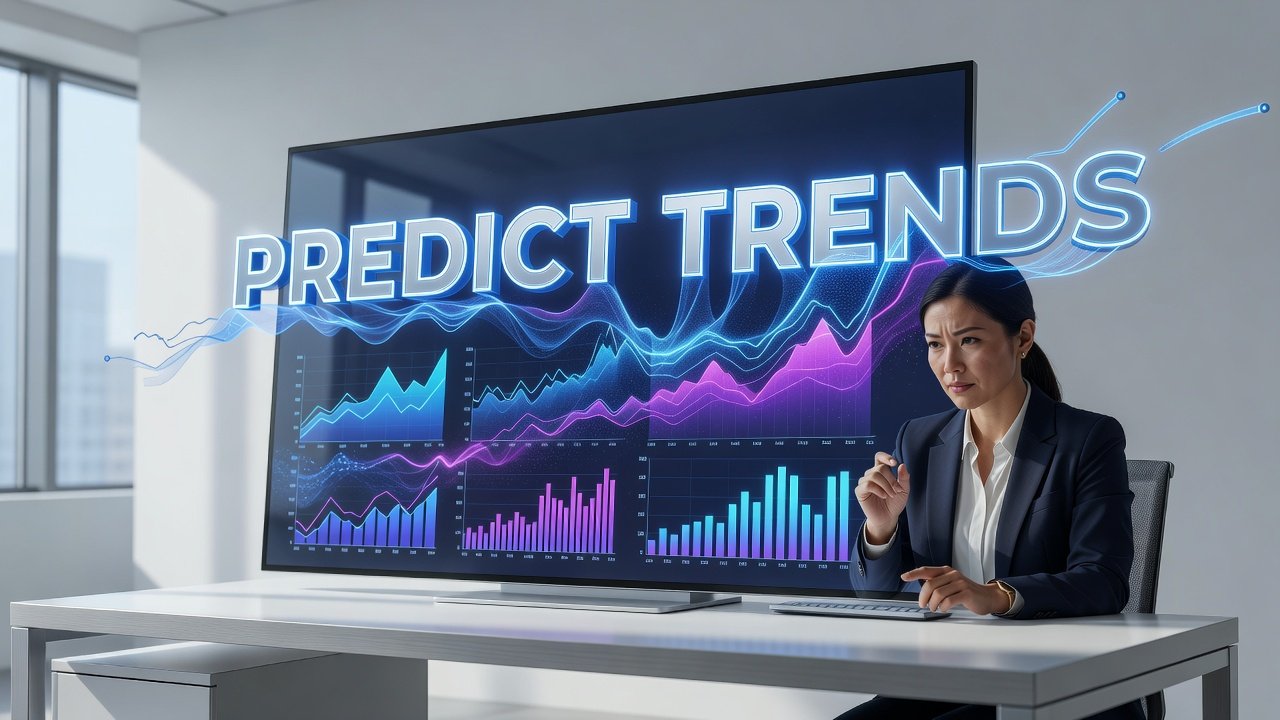
Businesses used to chase customer trends after they happened. By the time you spotted a pattern in last quarter's sales data, the market had already moved on. Now AI is flipping that script. Companies are using algorithms to predict what customers will crave before those customers even know it themselves. This isn't fortune-telling - it's pattern recognition at a scale humans can't match. AI analyzes millions of signals, from Instagram hashtags to weather forecasts, and spots the early warning signs of the next big thing. For retailers, fashion brands, and consumer-facing businesses, this means shorter product cycles, leaner inventory, and the ability to meet demand right when it peaks.
How AI Reads the Signs Before Humans Do
Traditional trend forecasting relied on human analysts studying runway shows, surveying consumers, and making educated guesses. That process took months and still got it wrong half the time. AI compresses that timeline and improves accuracy by processing data sources most businesses never had time to examine.
Machine learning models scan social media posts, measuring not just mentions but sentiment. Is someone posting that oversized blazer with excitement or irony? The algorithm can tell. Search behavior offers another clue - when thousands of people suddenly Google "cottagecore dresses" in February, that's a signal about what they might buy in April. Purchase history adds the final layer. If customers who bought a certain skincare ingredient last year are now searching for a different one, the algorithm flags that shift.
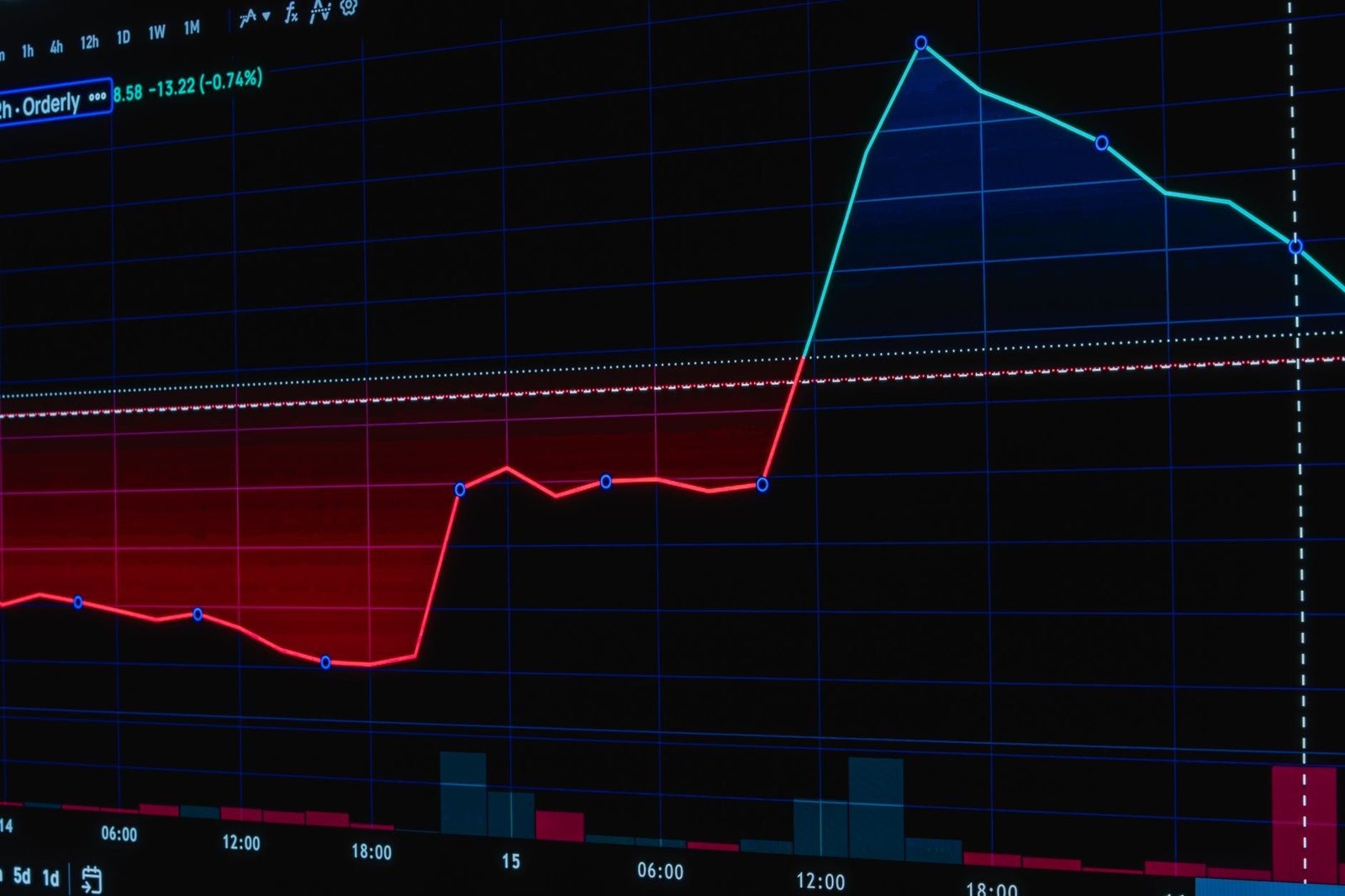
Target built an internal platform called Trend Brain that combines visual analysis of fashion photos with social media sentiment. The system helps designers create new collections faster, potentially doubling rotation speed. It also warns when a product might underperform, letting the company pull back before overproducing. This kind of early warning system saves money and reduces waste - two things that matter when margins are thin.
AI Snapshot: Over 80% of content watched on Netflix comes from its AI-driven recommendation engine, which analyzes millions of data points from viewing history to search patterns.
The speed advantage is real. Where a human trend team might deliver insights quarterly, AI updates continuously. It catches micro-trends that would never make it onto a traditional report. A sudden spike in interest around a color, fabric, or style shows up in the data within days, not months. That means companies can respond while the trend is still building, not after it's already peaked.
From Prediction to Personalization
Predicting broad market trends is valuable, but AI also excels at individual-level forecasting. The same technology that spots next season's hot color can predict what you specifically will want to buy next Tuesday.
Recommendation engines analyze your past purchases, browsing behavior, time spent on product pages, and even the sequence of items you viewed. They compare your patterns to millions of other customers and identify what people like you tend to buy next. This isn't creepy if done right - it's convenient. Starbucks uses its Deep Brew platform to analyze customer feedback and purchase patterns, then tailors offers to individual preferences. You get suggestions that actually match your tastes instead of generic promotions.
The retail experience changes when AI handles this work. Zalando uses AI to empower customers with personalized shopping experiences, surfacing items you're more likely to want based on your specific style profile. Sephora's chatbot recommends products and books appointments, available even when human staff aren't. These systems reduce the friction between wanting something and finding it.
Airlines are applying similar logic to service disruptions. Delta uses AI to predict potential flight delays before they happen, analyzing weather, air traffic, and mechanical data. When a problem looks likely, the system proactively notifies passengers and offers alternatives. That turns a frustrating surprise into a managed situation where you have options.
Better Inventory Means Less Waste
Predicting customer demand directly impacts what sits in warehouses and on shelves. Overstocking ties up capital and leads to markdowns. Understocking means lost sales and frustrated customers. AI-powered demand forecasting threads that needle more accurately than traditional methods.
These systems analyze historical sales data, seasonality patterns, promotional calendars, economic indicators, and real-time signals. Walmart uses demand sensing technology that factors in weather, local events, and shifting purchase trends. If a heat wave is forecast for the Southeast, the algorithm increases orders for cold beverages and sunscreen in those stores. If a local festival is coming, it adjusts for the expected crowd.
This dynamic approach replaces static forecasts based on last year's numbers. Markets change faster than annual planning cycles. A new competitor, a viral social media post, or a supply chain disruption can shift demand overnight. AI catches those changes because it monitors data continuously. When search volume for a product suddenly climbs, the system flags it before the spike hits actual sales.
The financial impact shows up in reduced markdowns and fewer stockouts. Products arrive when customers want them, in the quantities they'll actually buy. That improves margins and customer satisfaction simultaneously. It also reduces waste - fashion and consumer goods companies throw away billions in unsold inventory every year. Better predictions mean producing closer to actual demand.
The Speed Factor in Product Development
Knowing what customers will want next season only matters if you can design, produce, and deliver it in time. AI accelerates the entire product development cycle, not just the forecasting piece.
Designers use AI tools to generate variations on concepts, test color combinations, and even predict which styles will photograph well on social media. The fashion industry is increasingly asking AI to predict new trends, using algorithms to spot emerging patterns from runway shows to street style. This shortens the creative process and lets brands test more ideas faster.
Manufacturing benefits too. When you know what will sell, you can optimize production schedules and material orders. Supply chains move faster when there's less guesswork. A retailer confident in its forecast can commit to larger production runs, securing better pricing. Or it can order smaller batches more frequently, staying nimble as trends shift.
The combination of accurate prediction and faster execution creates a competitive moat. Brands that master this can go from trend signal to retail floor in weeks instead of months. That responsiveness matters more now than ever, when customer tastes change with the scroll of a screen.
Conclusion
AI isn't replacing human intuition in understanding customers - it's augmenting it with scale and speed no person could match. The retailers and brands winning with this technology aren't just feeding data into a black box and following whatever comes out. They're combining algorithmic insights with creative judgment, using predictions to inform decisions rather than dictate them. The technology works best when it frees humans to focus on the strategic and creative work that machines can't do: deciding which trends to chase, how to position products, and what kind of experience to build around them. As these tools become more accessible, the advantage won't come from having AI but from using it thoughtfully. The companies that figure out how to blend data-driven prediction with genuine understanding of their customers will stay ahead. The ones that don't will keep guessing, and guessing doesn't cut it anymore.
FAQs
How accurate is AI at predicting customer trends?
Accuracy varies by industry and data quality, but AI-powered demand forecasting typically outperforms traditional methods by analyzing more variables in real time. Retailers using these systems report fewer stockouts and reduced excess inventory, though no prediction is perfect. The advantage comes from continuous learning - algorithms improve as they process more data and see how predictions matched actual outcomes.
What data does AI need to predict what customers will buy?
AI systems typically analyze historical purchase data, browsing behavior, search trends, social media sentiment, seasonal patterns, and external factors like weather or local events. Some advanced systems also incorporate visual data from photos and videos to spot emerging style trends. The more diverse and recent the data sources, the better the predictions tend to be.
Can small businesses use AI for trend prediction or is it only for big retailers?
While major retailers build custom platforms, smaller businesses can access similar capabilities through off-the-shelf tools and services. Many e-commerce platforms now include basic predictive analytics, and specialized software offers demand forecasting at various price points. The key is having enough data - you need sufficient transaction history for patterns to emerge, which can be challenging for very new or niche businesses.
Does AI prediction work for services or just physical products?
AI predicts demand for services just as effectively as products. Airlines use it for flight disruptions, hotels for booking patterns, and streaming services for content preferences. Any business with enough historical data about customer behavior can apply predictive algorithms. The principles are the same - identify patterns in past behavior and external signals to forecast future demand or preferences.
Author

Maya-Rodriges@foucheres.com
Related Posts
How Frequent AI Model Releases Change Company Buying
Rapid AI model releases are transforming enterprise procurement from capital investment to recurring cost. Learn how companies adapt to constant updates.
Read out all
From Pilot to Production: Making AI Stick at Work
Only 12% of AI pilots reach production. Learn why most AI projects fail to scale and how to design an AI implementation...
Read out all
Hidden Costs of Running AI in Your Business 2026
Hidden costs of AI can balloon to 200-300% beyond vendor quotes. Learn what businesses really spend on data prep, infrastructure, security, and...
Read out all
How Small Teams Use AI to Do the Work of Ten
Discover how small teams use AI tools to automate tasks, save hours daily, and compete with larger companies while staying lean and...
Read out all
Why Every Small Business Needs an AI Strategy Now
Small businesses using AI gain efficiency, better decisions, and competitive advantages. Learn why developing an AI strategy in 2026 is essential for...
Read out all
How AI Is Reshaping Customer Service and Sales in 2026
Discover how AI chatbots, lead scoring, and personalization are transforming customer service and sales with up to 51% better conversion rates.
Read out all