

Artificial intelligence has moved from boardroom buzzword to everyday reality faster than most of us expected. Walk into any business today and you'll likely encounter AI working behind the scenes - or right in front of you through a chatbot window. The transformation happening in customer service and sales isn't just about automation. It's about fundamentally changing how businesses connect with people, handle inquiries, and close deals. Companies that once needed dozens of support agents now handle triple the volume with smaller teams. Sales teams that spent hours qualifying leads now focus only on prospects most likely to convert. This shift is real, measurable, and accelerating in 2026.
The Chatbot Revolution in Customer Service
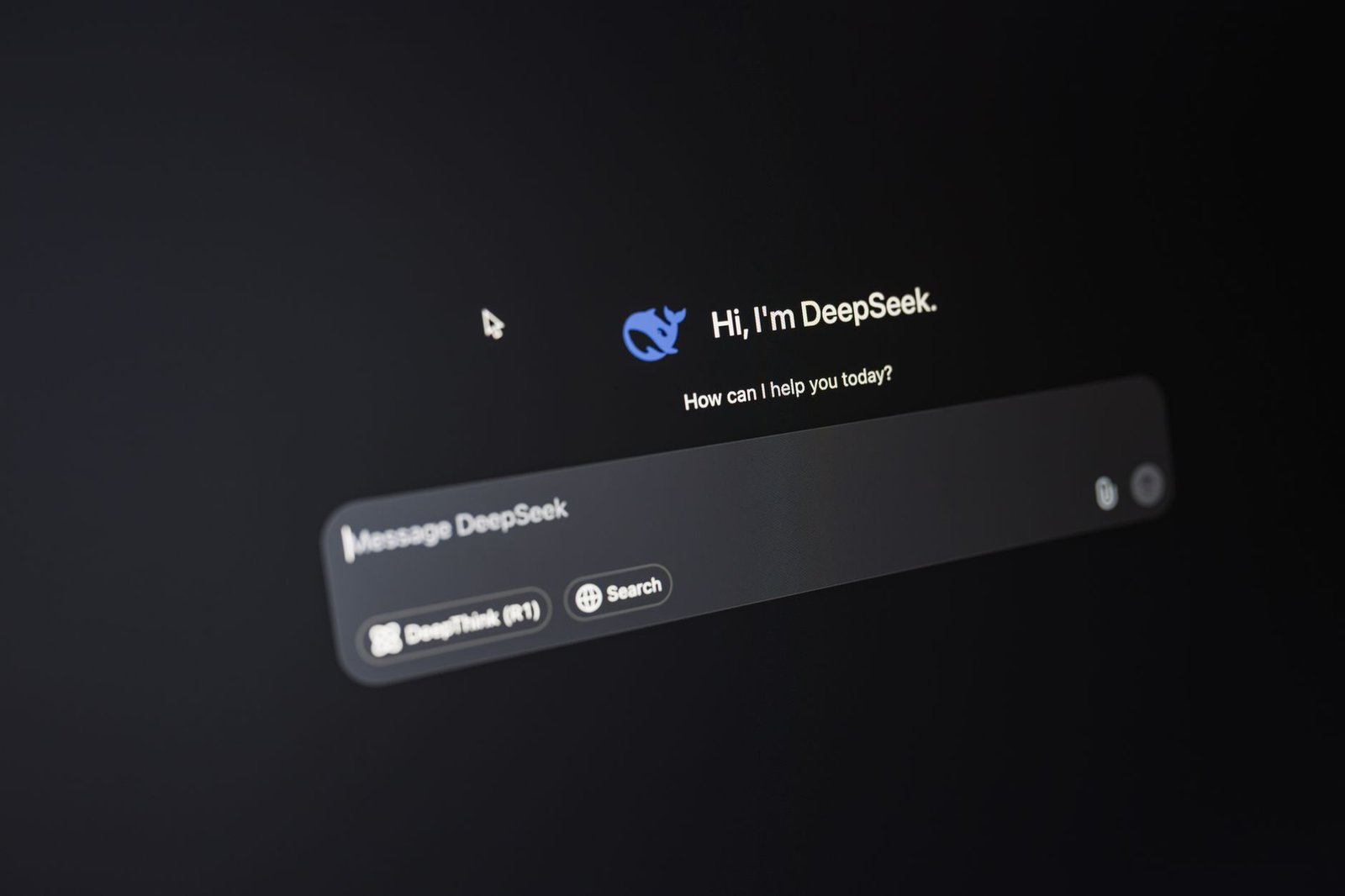
Remember when contacting customer service meant sitting on hold for 20 minutes listening to looping music? That experience is rapidly becoming obsolete. AI-powered chatbots now handle the first line of customer interaction for most major companies, and they're doing it well enough that many customers don't realize they're talking to software.
The numbers tell a compelling story. Currently, 80% of businesses have already implemented some form of AI-powered chatbot. These aren't the clunky, frustrating bots from five years ago that could barely understand basic commands. Modern AI chatbots use natural language processing to understand context, sentiment, and intent. They can handle complex questions, pull information from multiple databases, and escalate to human agents only when truly necessary.
What makes this shift so powerful is the dual benefit. Customers get instant responses instead of waiting in queue, and businesses slash their operational costs. AI-powered chatbots can reduce customer service costs by up to 30% while simultaneously improving response times. That's not a trade-off - it's a win-win that explains why adoption has been so rapid.
AI Snapshot: AI-powered chatbots enable 82% of users to access services without enduring long waits, fundamentally changing customer expectations around response times.
The practical impact goes beyond speed. Think about a customer with a billing question at 2 AM. Traditional support would make them wait until business hours. An AI chatbot solves it immediately, accessing account data, explaining charges, and even processing refunds when appropriate. The customer gets resolution in minutes instead of hours or days.
AI-Driven Sales: From Cold Leads to Hot Conversions
Sales has always been a numbers game, but AI is changing which numbers matter. Instead of making hundreds of cold calls hoping something sticks, sales teams now use AI to identify prospects actually ready to buy. The technology analyzes behavioral signals - website visits, content downloads, email engagement - to score leads based on genuine purchase intent.
Companies utilizing AI for lead scoring experience a 51% increase in lead conversion rates. That's not a marginal improvement. That's the difference between a sales team hitting quota and completely exceeding it. The secret lies in prioritization. When your CRM tells you which 50 leads out of 500 are most likely to convert this week, you focus your energy there instead of spreading it thin.
But AI in sales goes beyond just scoring. Businesses using AI-powered chatbots have seen an increase in sales conversion rates by 20-40%. How does a chatbot improve sales? By engaging website visitors the moment they show buying signals. Someone spends five minutes on your pricing page? The chatbot can offer a personalized demo. A visitor returns three times? The AI can present a limited-time offer based on their browsing history.
This kind of real-time, personalized engagement was impossible at scale before AI. A sales team can only monitor so many prospects manually. AI monitors thousands simultaneously, engaging each one with contextually relevant messages at exactly the right moment. It's like having a tireless sales assistant who never misses a signal and never forgets a detail.
Personalization at Scale: The Holy Grail
Here's what used to be true: you could either serve thousands of customers efficiently or personalize service for each individual. You couldn't do both. AI has broken that limitation. Modern AI systems analyze customer data - purchase history, browsing behavior, support interactions - to create detailed profiles of each customer's preferences, pain points, and needs.
When you contact support, the AI already knows your product, your previous issues, and your communication preferences. It can predict why you're reaching out before you finish explaining. When you visit a sales page, the AI presents products and messaging tailored to your specific situation, not generic copy meant for everyone.
This level of personalization drives results because it feels human, not robotic. A customer doesn't want to explain their entire account history every time they need help. They want to be recognized and helped efficiently. AI delivers that experience to every customer, whether you have 100 or 100,000.
The technology also learns continuously. Each interaction makes the system smarter about that customer and about patterns across all customers. If the AI notices that customers asking about a specific feature usually need help with setup, it proactively offers setup assistance when that feature is mentioned. That kind of pattern recognition and proactive service used to require years of experience from human agents.
The Human Element Hasn't Disappeared
With all this talk of AI handling customer service and sales, you might think human workers are becoming obsolete. The reality is more nuanced. AI handles the routine, the repetitive, and the straightforward. This frees human agents to focus on complex problems, emotional situations, and high-value interactions that require empathy, creativity, or judgment.
Think of a frustrated customer dealing with a sensitive issue. An AI can gather information, pull up relevant policies, and even suggest solutions. But the final conversation - the one that rebuilds trust and loyalty - often needs a human touch. Smart companies use AI to triage and prepare, then hand off to humans for the critical moments.
Sales works similarly. AI identifies and nurtures leads until they're warm, then human sales professionals step in to build relationships and close complex deals. The AI doesn't replace the salesperson; it ensures the salesperson only talks to people actually interested in buying. That's more satisfying for everyone involved.
The job roles are evolving rather than vanishing. Customer service agents become problem-solving specialists handling escalations and edge cases. Salespeople become strategic advisors working with qualified prospects. The mundane parts of these jobs - password resets, lead qualification calls, basic product questions - go to AI. The meaningful human work gets enhanced.
Conclusion
AI isn't just changing customer service and sales - it's redefining what customers expect and what businesses can deliver. Instant responses aren't a luxury anymore; they're baseline expectations. Personalized experiences at scale aren't impressive technical achievements; they're competitive necessities. The companies thriving in 2026 aren't necessarily the ones with the biggest support teams or the most aggressive sales forces. They're the ones combining AI efficiency with human expertise strategically.
We're still in the early stages of this transformation. The AI systems working today will seem primitive compared to what's coming in the next few years. But the direction is clear: customer service becomes faster and more personalized while costing less. Sales becomes more targeted and effective with less wasted effort. And businesses that figure out the right balance between AI automation and human connection will dominate their markets. The technology is ready. The question for most businesses now isn't whether to adopt AI, but how quickly they can implement it before their competitors pull ahead.
FAQs
Do customers actually prefer AI chatbots over human agents?
It depends on the situation. For simple, straightforward questions - checking order status, resetting passwords, finding store hours - most customers prefer the instant response from a chatbot. They don't want to wait on hold for something that takes 30 seconds to resolve. But for complex problems, complaints, or sensitive issues, customers still prefer talking to humans who can show empathy and make judgment calls. The best approach uses AI for speed on routine matters and seamlessly transfers to humans when needed.
How much does it cost to implement AI chatbots for a small business?
Implementation costs vary widely based on complexity and features. Basic chatbot platforms start around $50-100 per month for small businesses, offering pre-built templates and simple automation. Mid-tier solutions with better AI capabilities and customization run $300-500 monthly. Enterprise-level systems with advanced natural language processing and deep integrations can cost thousands monthly. Many businesses see ROI within months due to reduced support costs and increased sales conversions, making even higher-tier options financially viable.
Can AI really understand customer emotions and frustration?
Modern AI can detect emotional cues through sentiment analysis - analyzing word choice, punctuation, and phrasing patterns to identify frustration, anger, or confusion. When the AI detects negative sentiment, it can adjust its tone, offer empathy statements, or escalate to a human agent. However, AI doesn't truly understand emotions the way humans do. It recognizes patterns associated with emotions. This works well for triaging and initial responses but isn't a replacement for genuine human empathy in difficult situations.
What happens to customer service jobs as AI takes over more tasks?
Jobs are evolving rather than simply disappearing. Entry-level roles handling basic inquiries are declining, but positions requiring problem-solving, technical expertise, and emotional intelligence remain strong. Many companies are retraining support staff to handle complex escalations, customer success management, and quality assurance of AI interactions. The overall workforce may shrink in some organizations, but the remaining roles typically become more skilled and better compensated. The transition requires companies to invest in employee development rather than just replacing workers with technology.
Author

Maya-Rodriges@foucheres.com
Related Posts
How Frequent AI Model Releases Change Company Buying
Rapid AI model releases are transforming enterprise procurement from capital investment to recurring cost. Learn how companies adapt to constant updates.
Read out all
From Pilot to Production: Making AI Stick at Work
Only 12% of AI pilots reach production. Learn why most AI projects fail to scale and how to design an AI implementation...
Read out all
Hidden Costs of Running AI in Your Business 2026
Hidden costs of AI can balloon to 200-300% beyond vendor quotes. Learn what businesses really spend on data prep, infrastructure, security, and...
Read out all
How Small Teams Use AI to Do the Work of Ten
Discover how small teams use AI tools to automate tasks, save hours daily, and compete with larger companies while staying lean and...
Read out all
Why Every Small Business Needs an AI Strategy Now
Small businesses using AI gain efficiency, better decisions, and competitive advantages. Learn why developing an AI strategy in 2026 is essential for...
Read out all
How AI Agents Will Change Your Job in 2026 and Beyond
Discover how AI agents are transforming work, creating 78 million net new jobs by 2030, and what skills you need to thrive...
Read out all