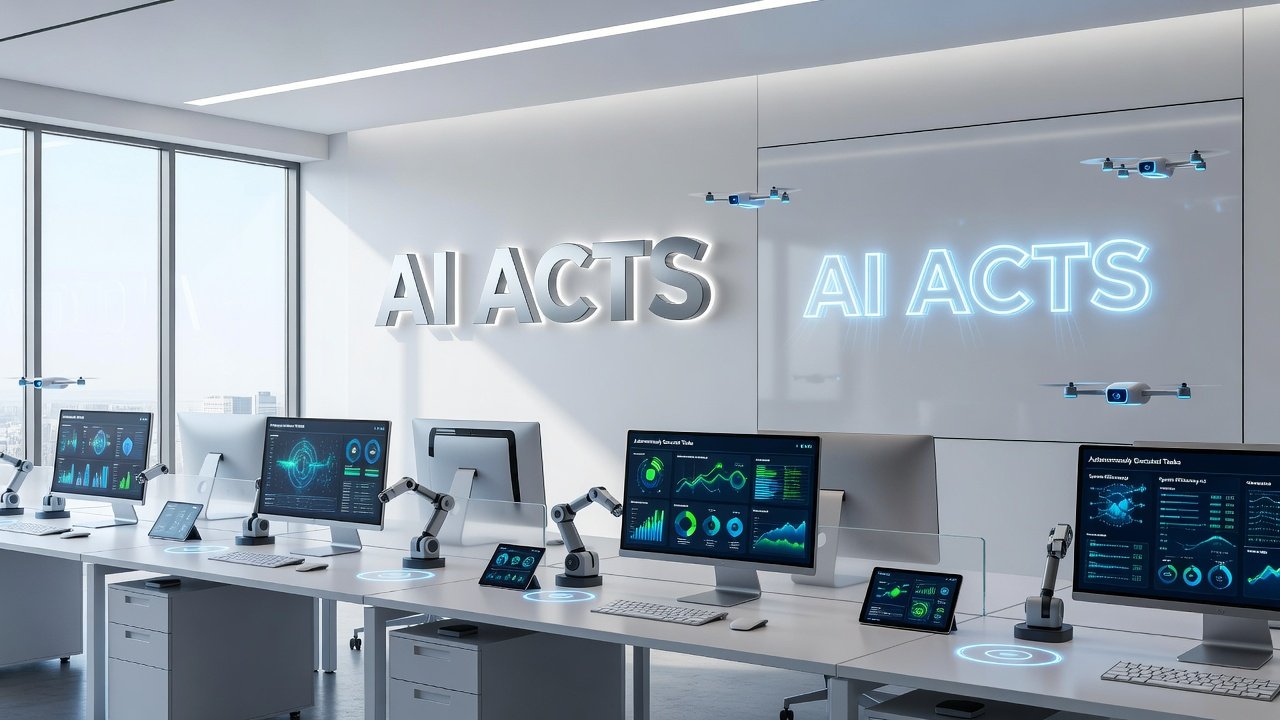
AI is no longer content to simply wait for instructions. Across ordinary workplaces, a new generation of AI systems is stepping into roles that require planning, decision-making, and execution - all without someone typing a prompt every five minutes. These autonomous agents can triage support tickets, validate invoices, draft internal documentation, and even coordinate events from start to finish. For employees used to AI as a helpful sidekick, this shift raises practical questions: What happens when the assistant becomes a coworker? How does work change when software doesn't just suggest - it acts?
From Copilot to Colleague
The difference between yesterday's AI and today's autonomous agents comes down to initiative. Earlier tools functioned as sophisticated autocomplete - powerful, yes, but passive. You asked, they answered. Agentic AI systems, by contrast, can break down complex tasks into steps, make decisions along the way, and report back when the job is done. They operate more like an intern who can handle an entire project than a calculator waiting for the next equation.
This capability stems from advances in how AI models process context and maintain goals over time. Instead of treating each interaction as isolated, these systems remember what they're trying to accomplish and adjust their approach as conditions change. A customer service agent might recognize that a billing question requires checking payment history, pulling relevant policy details, and drafting a response - then do all three without human handholding at each stage.
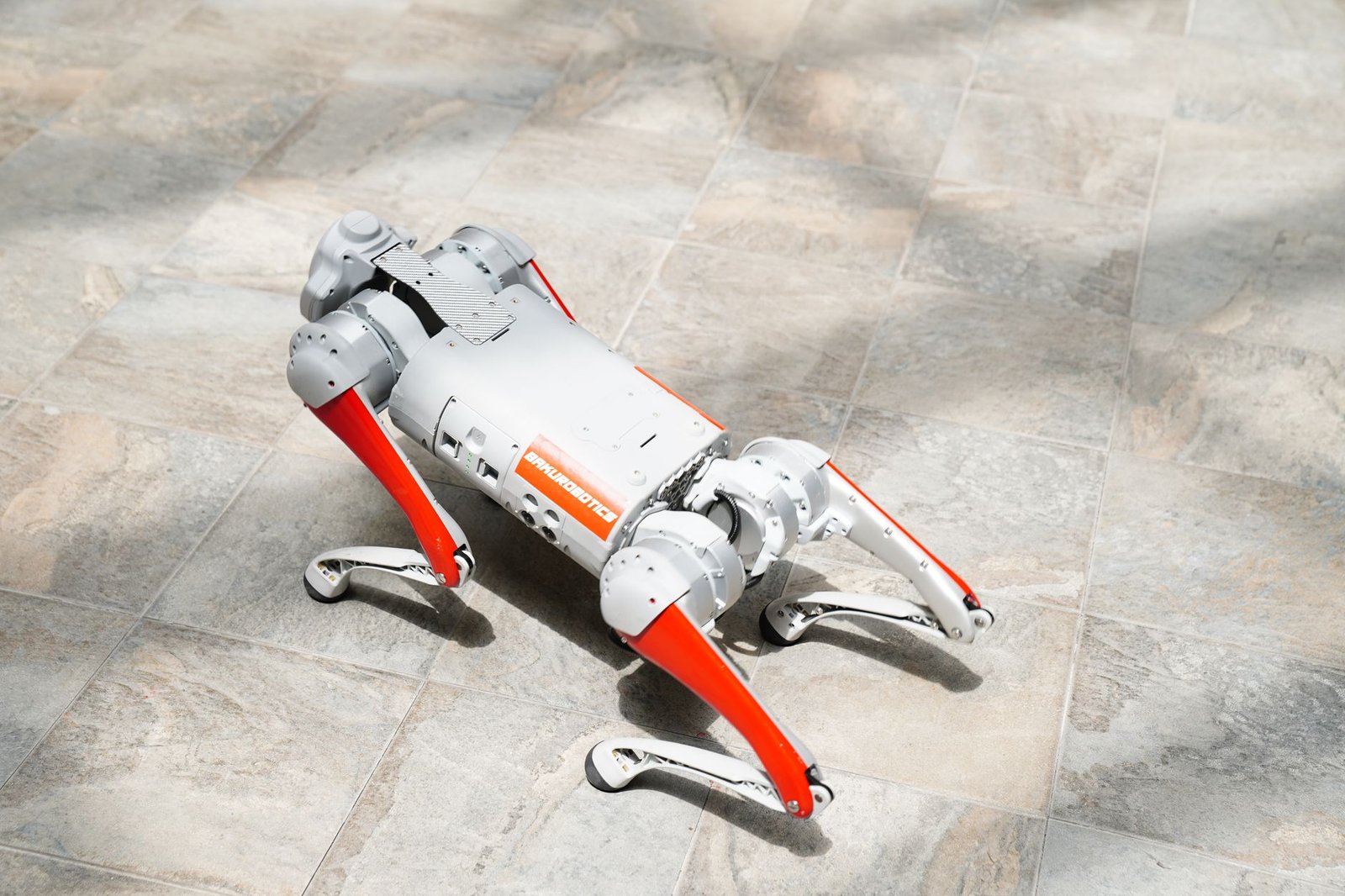
Companies building these tools are testing them internally first. OpenAI uses AI to assist with coding tasks, summarize lengthy email threads, handle new employee onboarding steps, and resolve billing inquiries. Google has deployed AI in finance operations for invoice validation and cash-flow analysis. Anthropic relies on AI to manage marketing workflows, organize datasets, and coordinate logistics for events. These aren't experimental pilots - they're daily operations.
AI Snapshot: OpenAI uses internal AI tools to handle tasks including coding assistance, communication summaries, employee onboarding, and billing issue resolution - testing their own technology before external release.
What Changes on Your Team
When AI takes on end-to-end tasks, the texture of work shifts. Repetitive processes - data entry, appointment scheduling, first-pass document drafts - move off human to-do lists. That sounds liberating until you consider what filled those hours for many employees. Administrative assistants, junior analysts, entry-level marketers, and support staff often built expertise by handling exactly these foundational tasks. What happens when the learning ladder loses its bottom rungs?
Some roles are expanding rather than disappearing. Instead of manually scoring sales leads, a team member now reviews AI-generated scores for accuracy and edge cases. Rather than writing every job description from scratch, an HR coordinator edits AI drafts to match company voice and culture. The work becomes curatorial and supervisory - less creation, more refinement. That requires a different skill set: the ability to spot when AI gets context wrong, to recognize bias in automated decisions, to maintain quality standards when you're not building from scratch.
New positions are emerging around AI itself. Someone needs to monitor model performance, retrain systems when they drift, manage the prompts and parameters that guide automated workflows. These roles don't always require deep technical backgrounds, but they do demand comfort with ambiguity and a willingness to learn systems that update constantly. If you've ever managed a team, you already know half of what managing AI agents requires - clear goals, consistent feedback, regular check-ins to confirm they're on track.
The flip side is tangible. AI agents can analyze datasets to surface insights humans might overlook, flag financial anomalies before they become expensive problems, and handle customer inquiries at three in the morning without overtime pay. Productivity gains show up in faster turnaround times and the ability to scale operations without proportional headcount increases. For small businesses especially, this can mean competing with larger rivals who previously had resource advantages.
The Accuracy Problem Nobody Wants to Mention
Autonomous AI brings a risk that assistive tools mostly avoided: confident mistakes executed at scale. When AI waits for prompts, humans review outputs before they go anywhere. When AI acts independently, errors can propagate before anyone notices. An AI agent might apply outdated pricing to a batch of invoices, send form letters with subtly wrong information to hundreds of customers, or make scheduling decisions based on incomplete calendar data.
The challenge isn't that AI makes more mistakes than humans - it often doesn't. The problem is the nature of the errors. AI systems can produce responses that sound authoritative while being factually wrong or dangerously outdated. They lack common sense guardrails that prevent humans from, say, scheduling a team meeting during a company-wide holiday that wasn't in the digital calendar. They struggle with context that wasn't explicitly fed into their training data.
This creates a monitoring burden. Someone needs to audit automated decisions regularly, establish clear boundaries for where AI can act without approval, and build fail-safes for high-stakes tasks. The cost savings from automation can evaporate quickly if quality control becomes a full-time job. Organizations are learning - sometimes the hard way - that turning AI loose requires more upfront planning than keeping it on a leash.
There's also the question of accountability. When an AI agent makes a decision that costs money or damages a customer relationship, who owns that? The employee who set the parameters? The team that deployed the system? The vendor who sold it? Legal and ethical frameworks haven't caught up to the technology, leaving companies to navigate liability questions without clear precedent.
The Human Skills That Matter More Now
As AI handles execution, human value concentrates in areas machines still struggle with: understanding unstated needs, navigating office politics, building relationships, exercising ethical judgment in gray areas. Creativity matters more when routine work is automated away. So does empathy - the ability to read a room, sense when someone needs reassurance rather than data, translate between technical teams and business stakeholders.
Communication skills carry extra weight in AI-augmented workplaces. You need to explain complex situations to systems that parse language literally, review AI-generated content for tone and appropriateness, and help colleagues who feel threatened by automation understand their evolving roles. The ability to learn continuously becomes non-negotiable. Tools change faster than training programs can keep up, and the documentation is often incomplete or already outdated.
AI literacy - understanding what AI can and cannot do, recognizing its limitations, knowing when to trust it and when to intervene - is becoming as fundamental as computer literacy was in the 1990s. You don't need to know how to build a neural network any more than you needed to understand TCP/IP to use email. But you do need to know when AI is out of its depth, just as you needed to recognize a phishing email.
Organizations that handle this transition well invest in reskilling before they need to. They create paths for employees whose roles are changing to develop new expertise. They're transparent about where automation is headed and involve teams in decisions about implementation. The companies that struggle tend to deploy AI quietly, then act surprised when morale craters and turnover spikes.
Conclusion
AI that acts independently is settling into workplaces faster than most organizations are prepared to integrate it. The technology works well enough to deliver real productivity gains, but not so reliably that you can set it and forget it. The result is a transitional moment where old job descriptions no longer fit and new ones haven't fully formed. Some employees will thrive in this environment - they're already experimenting with AI tools, finding creative applications, building hybrid workflows that blend human judgment with machine speed. Others will struggle, especially if their organizations treat automation as a cost-cutting exercise rather than a workforce transformation.
What matters now is intentionality. Companies need clear policies about where AI can act autonomously, robust monitoring for when it goes sideways, and genuine investment in helping employees adapt rather than simply replacing them. Workers need to engage with these tools critically - learning what they do well, where they fail, and how to stay valuable as the technology improves. The workplaces that get this right will find AI genuinely makes work better. The ones that don't will discover that efficiency gains on paper don't always translate to functional teams. The difference comes down to whether you're automating tasks or abandoning people.
FAQs
Will AI agents replace my job or just change it?
For most roles, AI changes work rather than eliminating it entirely. Routine, repetitive tasks move to automation while human effort shifts toward oversight, exception handling, and work requiring judgment or interpersonal skills. Some positions will disappear, particularly those centered entirely on data entry or basic information retrieval, but most jobs will evolve to focus on what humans still do better than machines. The risk is higher for entry-level roles where people historically learned by doing routine tasks that AI now handles.
How do I know if an AI agent made a mistake?
Establish regular audits of automated decisions, especially in the first months after deployment. Look for patterns - customer complaints clustering around certain issues, financial discrepancies in AI-processed transactions, or outputs that sound plausible but contradict known facts. Build feedback loops where humans review a sample of AI work rather than trusting everything. If something feels off, it probably is - AI can be confidently wrong in ways that require human skepticism to catch.
What skills should I develop to stay relevant as AI handles more tasks?
Focus on areas where humans maintain advantages: creative problem-solving, ethical reasoning, relationship building, and contextual judgment. Learn to work effectively with AI - writing clear instructions, evaluating outputs critically, recognizing when to override automated decisions. Develop expertise in your domain that goes deeper than surface-level knowledge, since AI handles the basics well but struggles with nuance. Communication and adaptability matter more than ever, as does comfort with continuous learning.
Can small businesses benefit from autonomous AI or is it only for large companies?
Small businesses can often benefit more dramatically because they typically lack the deep staff bench of larger organizations. An AI agent that handles customer inquiries, manages scheduling, or processes routine paperwork gives a small team capabilities they couldn't afford to hire for. The challenge is implementation - small businesses may lack IT resources to deploy and monitor these systems safely. Starting with well-established tools that offer strong support and clear documentation makes sense. The key is matching AI capabilities to actual business needs rather than adopting technology because it's trendy.
Author

Maya-Rodriges@foucheres.com
Related Posts
Why Big Tech Earnings Keep Pointing at Enterprise AI Demand
Big Tech earnings reveal surging enterprise AI demand. Microsoft Azure, AWS, and Google Cloud report massive growth driven by real AI infrastructure...
Read out all
Which Business Tasks AI Handles Well vs Need a Person
Discover which business tasks AI excels at and which still need human judgment. Learn the smart way to combine AI automation with...
Read out all
Using AI to Spot What Customers Will Want Next Season
Discover how AI predict customer trends before they happen, helping businesses forecast demand, optimize inventory, and deliver what shoppers want faster.
Read out all
How Frequent AI Model Releases Change Company Buying
Rapid AI model releases are transforming enterprise procurement from capital investment to recurring cost. Learn how companies adapt to constant updates.
Read out all
From Pilot to Production: Making AI Stick at Work
Only 12% of AI pilots reach production. Learn why most AI projects fail to scale and how to design an AI implementation...
Read out all
Hidden Costs of Running AI in Your Business 2026
Hidden costs of AI can balloon to 200-300% beyond vendor quotes. Learn what businesses really spend on data prep, infrastructure, security, and...
Read out all