Choosing the right AI image generator can feel overwhelming. With so many tools available in 2026, each promising to turn your text prompts into stunning visuals, how do you know which one actually deserves your time and money? The truth is, no single AI image generator does everything perfectly. Each platform has carved out its own sweet spot, excelling at specific types of tasks while falling short in others. Understanding these strengths isn't just helpful - it's essential if you want results that don't waste your credits or leave you frustrated. Let's cut through the marketing noise and look at what each major AI image generator actually does best.
DALL-E 3: The Prompt Interpreter That Gets You
When you need an AI that actually understands what you're asking for, DALL-E 3 stands out from the pack. Built by OpenAI and integrated into ChatGPT Plus, this generator excels at one critical skill that others often fumble: accurately interpreting complex, detailed text prompts. You can write a paragraph describing exactly what you want, including specific positions, colors, moods, and relationships between objects, and DALL-E 3 will deliver something remarkably close to your vision.
What makes this particularly valuable? You spend less time fighting with prompt syntax and more time refining your actual creative vision. If you ask for "a copper-colored cat wearing reading glasses, sitting on a velvet armchair next to a floor lamp, with rain visible through a window in the background," DALL-E 3 will give you exactly that arrangement. Other generators might give you a cat, glasses, and a chair, but not necessarily in the configuration you specified.
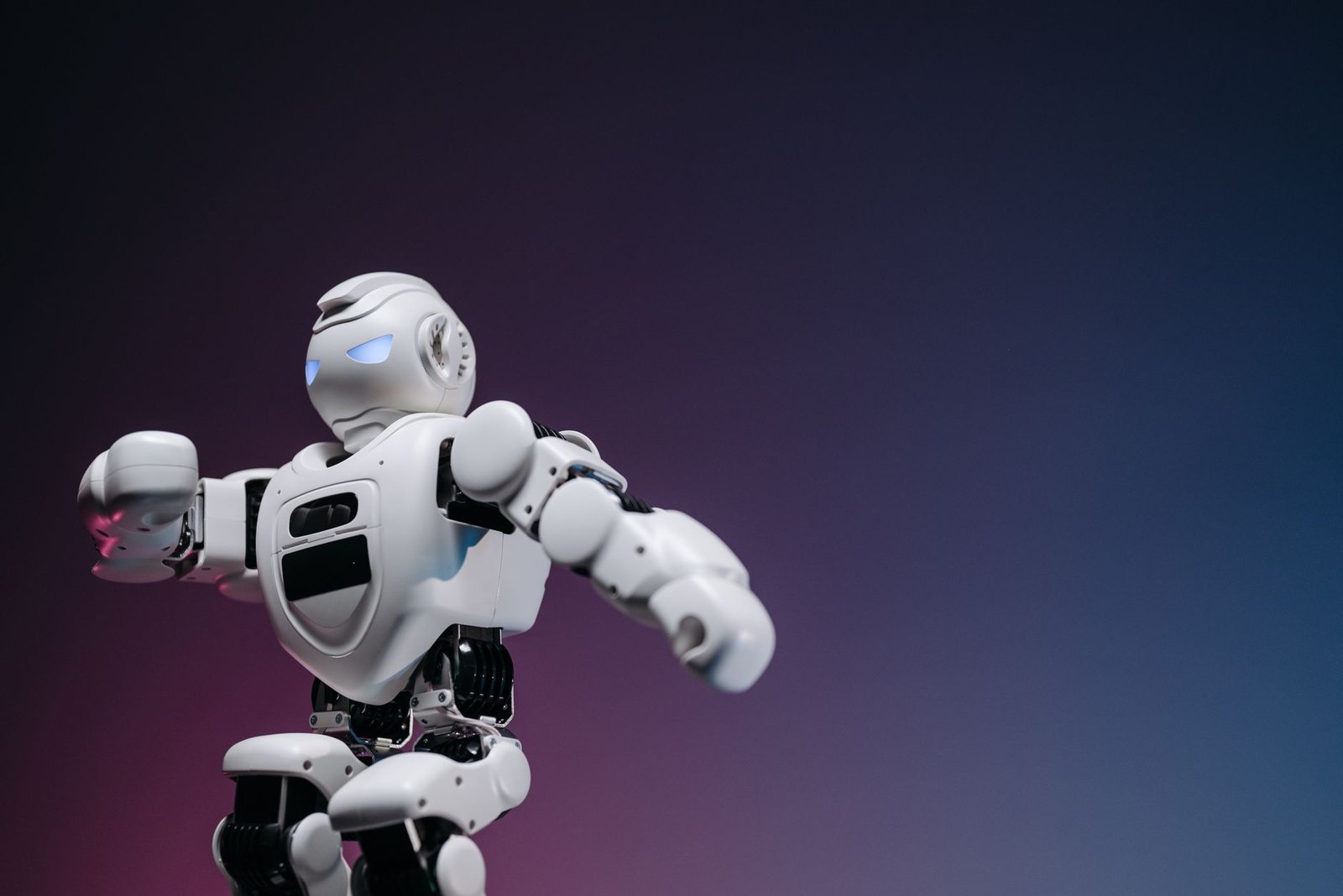
AI Snapshot: DALL-E 3 consistently generates high-quality, realistic images that accurately interpret complex text prompts, setting it apart in prompt comprehension accuracy.
The image quality leans toward photorealism and clean, commercial-friendly aesthetics. This makes DALL-E 3 perfect for business presentations, product mockups, educational materials, and any situation where you need images that look polished but not overly artistic. The tradeoff? The style can sometimes feel a bit sterile compared to more artistically adventurous platforms. If you're creating marketing materials for a corporate client or need illustrations that communicate clearly without artistic ambiguity, DALL-E 3 should be your first stop.
Midjourney: The Artist's Choice for Visual Wow Factor
Midjourney has earned its reputation as the platform that makes everything look like it belongs in an art gallery. This isn't just marketing hype - the tool genuinely produces images with a distinctive aesthetic quality that other generators struggle to match. The colors feel richer, the textures more intricate, and the overall compositions more thoughtfully arranged, even from relatively simple prompts.
Where Midjourney truly shines is in creating moody, atmospheric, and richly textured images from creative prompts. Fantasy landscapes, character designs, concept art, book covers, album artwork - these are Midjourney's natural habitat. The platform is highly regarded for its distinctive artistic quality, particularly when users embrace creative, descriptive prompts rather than fighting for strict photorealism.
The community aspect also sets Midjourney apart. Operating primarily through Discord, it creates an environment where you can see what others are generating, learn from their prompts, and get inspired. This collaborative atmosphere has developed into a knowledge base of prompt styles, parameters, and techniques that can dramatically improve your results once you invest time learning them.
The downsides? Midjourney isn't great for precise, literal interpretations. If you need an image that matches exact specifications for a technical manual or product documentation, you'll likely find yourself frustrated. It also requires a subscription with no free tier, and the Discord interface feels clunky if you're used to traditional web applications. But for pure visual impact and artistic quality, Midjourney remains unmatched in 2026.
Ideogram AI: The Text-in-Images Specialist
Here's a problem that has plagued AI image generators since the beginning: getting text to look right. Most platforms turn words into jumbled nonsense, making it impossible to create logos, posters, greeting cards, or social media graphics with readable text. Ideogram AI solved this problem and built its entire value proposition around it.
Ideogram AI is particularly strong at generating images that include readable, correctly spelled text. This single capability opens up use cases that were essentially impossible with earlier generators. Need a motivational quote on a sunset background? A vintage-style poster with actual legible words? A logo that incorporates your brand name without weird letter mutations? Ideogram handles these tasks with impressive reliability.
Beyond text rendering, Ideogram also offers solid general image generation with a clean, modern aesthetic. It won't give you Midjourney's artistic depth, but it produces professional-looking results suitable for business and marketing applications. The platform offers both free and paid tiers, making it accessible for casual users who just need occasional graphics.
The best strategy? Use Ideogram specifically when your project requires integrated text. For pure imagery without words, other platforms might serve you better. But if you've ever struggled to add text to AI images in post-processing, you'll immediately appreciate what Ideogram brings to the table. It's become indispensable for social media managers, graphic designers working on tight deadlines, and anyone who creates visual content with text elements regularly.
Stable Diffusion: The Tinkerer's Playground
Stable Diffusion takes a fundamentally different approach than the other generators on this list. Rather than operating as a closed, cloud-based service, it's an open-source model that you can download and run on your own hardware. This accessibility - the ability to run on consumer-grade graphics cards - has made it the foundation of an entire ecosystem of customized tools, interfaces, and modifications.
What does this mean practically? Control. Serious, granular control over every aspect of image generation and editing. You can train custom models on specific styles or subjects, fine-tune generation parameters that other platforms hide, combine multiple models, and edit existing images with precision tools like inpainting and outpainting. The community has built thousands of custom models, plugins, and interfaces that extend the base capabilities in wild directions.
The learning curve is steep. You'll need to understand concepts like sampling methods, CFG scale, and model checkpoints. You'll probably spend hours troubleshooting installation issues and optimizing settings. But once you climb that curve, Stable Diffusion offers capabilities that cloud-based services simply can't match. It's particularly valuable for professionals who need to generate large volumes of images without per-generation costs, or who require complete privacy for sensitive projects.
Who should choose Stable Diffusion? Technical users comfortable with complexity, professionals with high-volume needs, privacy-conscious creators, and anyone who wants to truly understand and control the generation process. Who should avoid it? Casual users who just want quick results without technical hassle. There's no shame in choosing convenience over control, especially when cloud platforms deliver excellent results with far less friction.
Conclusion
The AI image generator landscape in 2026 isn't about finding the single "best" tool. It's about matching capabilities to your specific needs. DALL-E 3 gives you reliable prompt interpretation and clean, commercial aesthetics. Midjourney delivers unmatched artistic quality and visual impact. Ideogram solves the text-in-images problem that frustrates users of other platforms. Stable Diffusion offers complete control and customization for technical users willing to invest the time.
My honest recommendation? Don't commit to just one. Most serious creators maintain subscriptions to two or three platforms, switching based on the project at hand. Use Ideogram for social media graphics with text, Midjourney for anything that needs to look stunning, DALL-E 3 for precise business applications, and Stable Diffusion when you need volume or customization. This multi-tool approach costs more upfront but saves enormous time and frustration in the long run. Choose based on the task, not loyalty to a platform.
FAQs
Which AI image generator is best for beginners?
DALL-E 3 through ChatGPT Plus offers the gentlest learning curve. It understands natural language prompts without requiring special syntax or parameters, and it's already integrated into an interface many people use daily. You can literally describe what you want in plain English and get good results immediately, making it ideal for first-time users who want results without studying prompt engineering.
Can I use AI-generated images commercially?
This depends entirely on the specific platform and your subscription level. Midjourney and DALL-E 3 generally allow commercial use for paid subscribers, while free tiers often restrict commercial applications. Stable Diffusion's open license permits commercial use, but custom models may have their own restrictions. Always read the current terms of service for your specific platform and subscription tier before using images in commercial projects.
Why does Midjourney require Discord instead of having a normal website?
Midjourney started as a Discord-based service to build community and allow users to learn from each other's prompts and results. While they've since added a web interface for paid subscribers, the Discord community remains central to the platform's culture. Many users actually prefer this setup because seeing others' work provides constant inspiration and education, though it definitely feels unusual compared to traditional web applications.
How much does it cost to use these AI image generators?
Pricing varies significantly. DALL-E 3 comes with ChatGPT Plus at $20 per month. Midjourney starts at $10 per month for limited generations. Ideogram offers a free tier with daily credits, with paid plans starting around $8 per month. Stable Diffusion is free to use if you run it locally, but you'll need a decent graphics card, or you can pay for cloud-based hosting services that charge by computation time.
Author

Maya-Rodriges@foucheres.com
Related Posts
AI Video Tools Worth Your Time in 2026
Discover AI video tools in 2026 that automate editing, personalize at scale, and turn prompts into polished videos in seconds. Real capabilities,...
Read out all
AI Coding Assistants: Which One Writes Code You Can Ship
Compare top AI coding assistants in 2026. Learn which tools write production-ready code, real productivity gains, and honest limitations developers face shipping...
Read out all
Run a 27B Parameter AI Model Locally With LM Studio
Learn how to run a 27B parameter AI model locally using LM Studio. Discover hardware requirements, setup steps, and privacy benefits of...
Read out all
Build Your First AI Agent Without Writing Code in 2026
Learn how to build your first AI agent without code using no-code platforms. Step-by-step guide to creating functional AI agents in 2026.
Read out all
Claude vs ChatGPT vs Gemini: Which One for Real Work
Compare Claude vs ChatGPT vs Gemini for professional work. Discover which AI assistant excels at coding, document analysis, and workflow automation in...
Read out all
10 Best AI Writing Tools to Try This Year
Discover the top 10 AI writing tools in 2026. Compare ChatGPT, Jasper, Grammarly, and more to find the perfect assistant for your...
Read out all